
Rhythm
Children recognize the flow of sentences before they understand meaning.
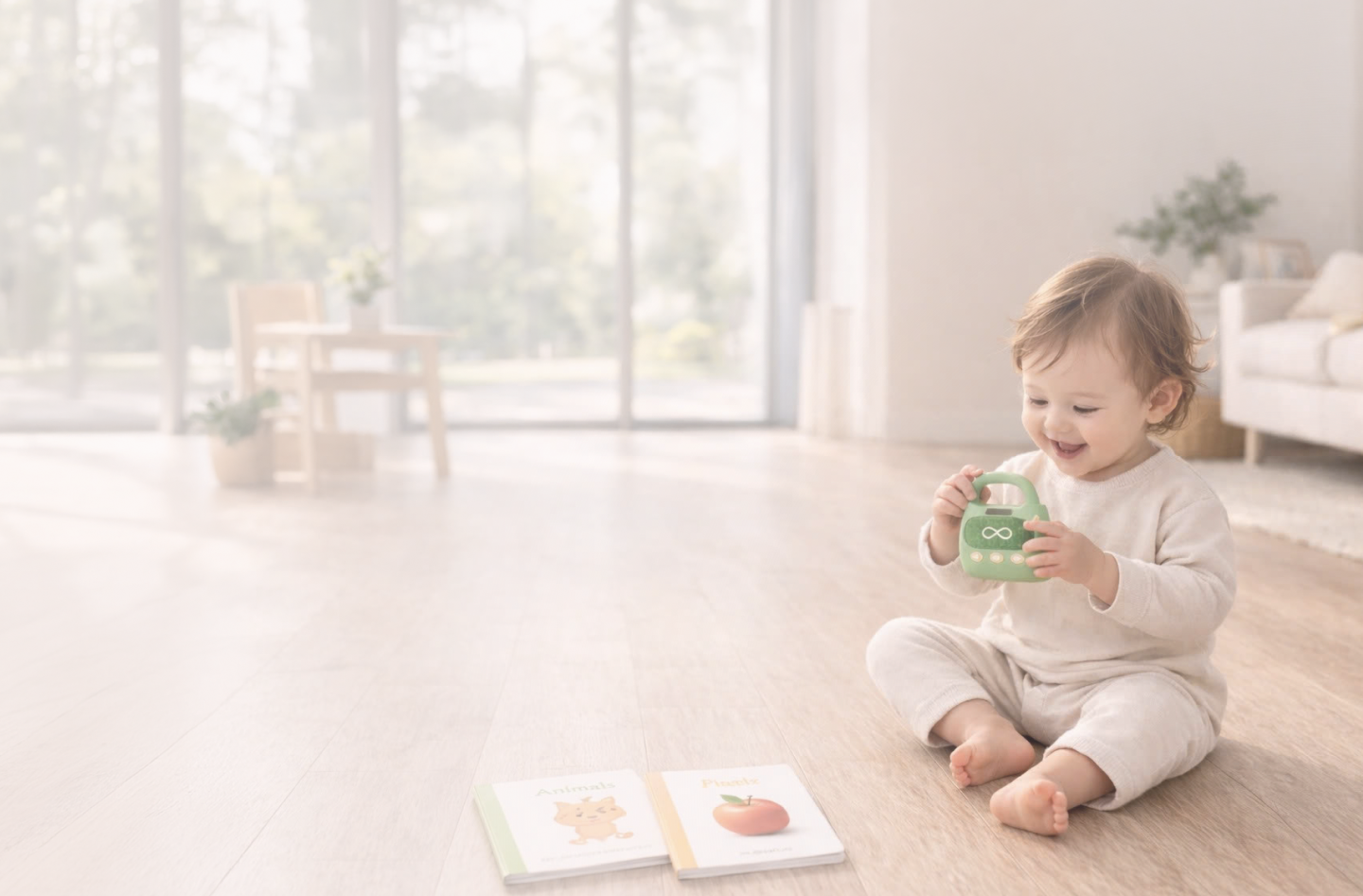
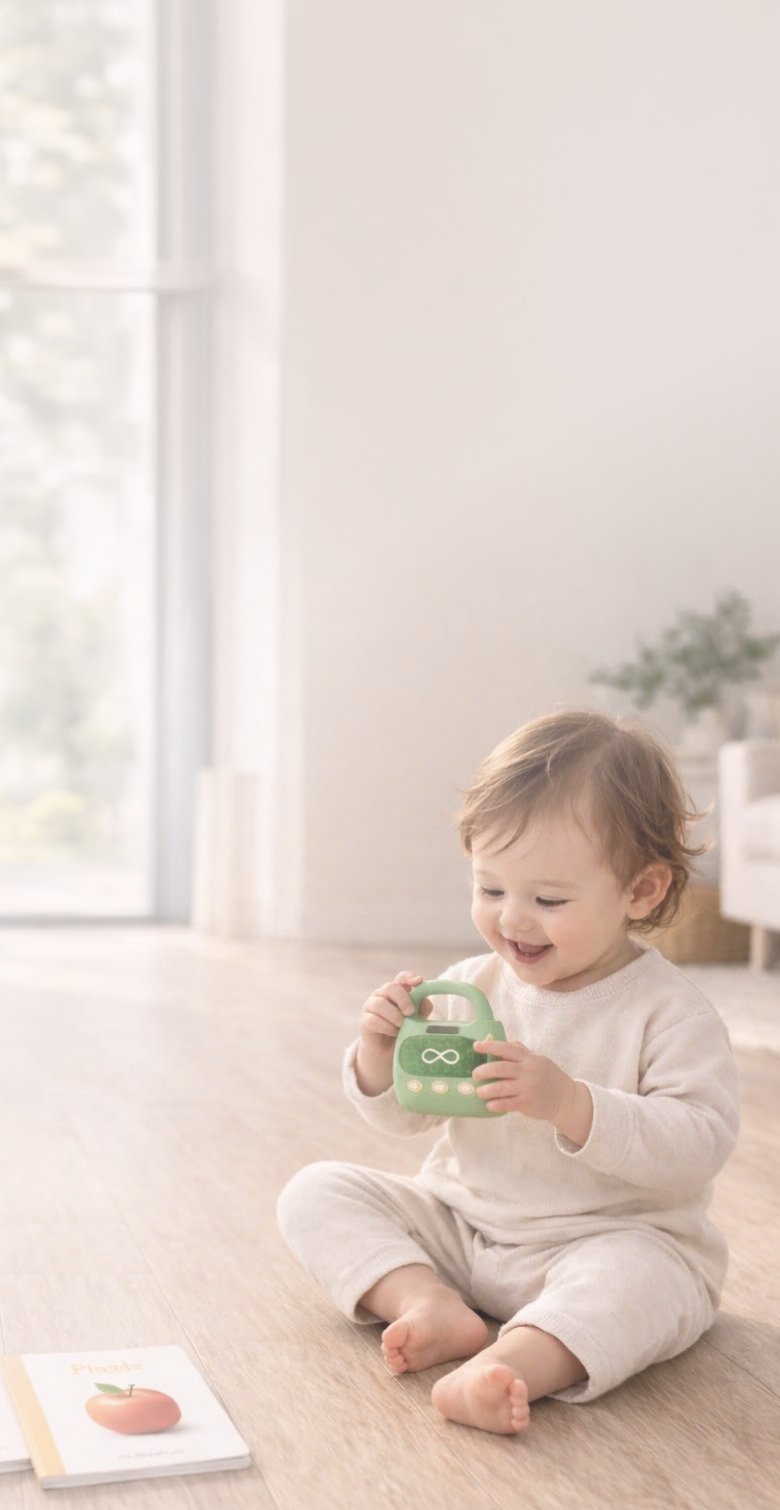
You just need to give your child the right foundation.
Language Readiness is the stage where the brain builds familiarity with a language through listening — before speech emerges. Bloompod is designed for the first three years of life.

Before a child speaks, the brain has already registered the rhythm, tone, and structure of a language system. This familiarity develops quietly, but it shapes how a child approaches learning later on.
Children recognize the flow of sentences before they understand meaning.

Sounds are registered at a sensory level.

Repeated patterns help the brain predict and strengthen connections.


Difficulty hearing the sounds clearly

Pronunciation that is hard to correct

Stress when entering formal classes

Lack of early familiarity with the language
Not because they lack ability.
But because the foundation was never built during the brain’s most flexible stage.


Fragmented sounds

Constantly changing

No sequence

Scattered content

Repeating listening cycles

Stable rhythm

Designed by developmental stages

Consistent structure
The difference is not the amount of sound exposure, but how sound is organized.



Stage 1


Stage 2


Stage 3
Stable rhythm. Gentle repetition helps children become familiar with the sounds of a language.

Structured repetition allows the brain to gradually recognize familiar sound sequences.
Children begin noticing simple sentence patterns and the natural flow of speech.

Bloompod does not accelerate development. Bloompod grows alongside it.

Children do not need constant
stimulation.
They need stability.
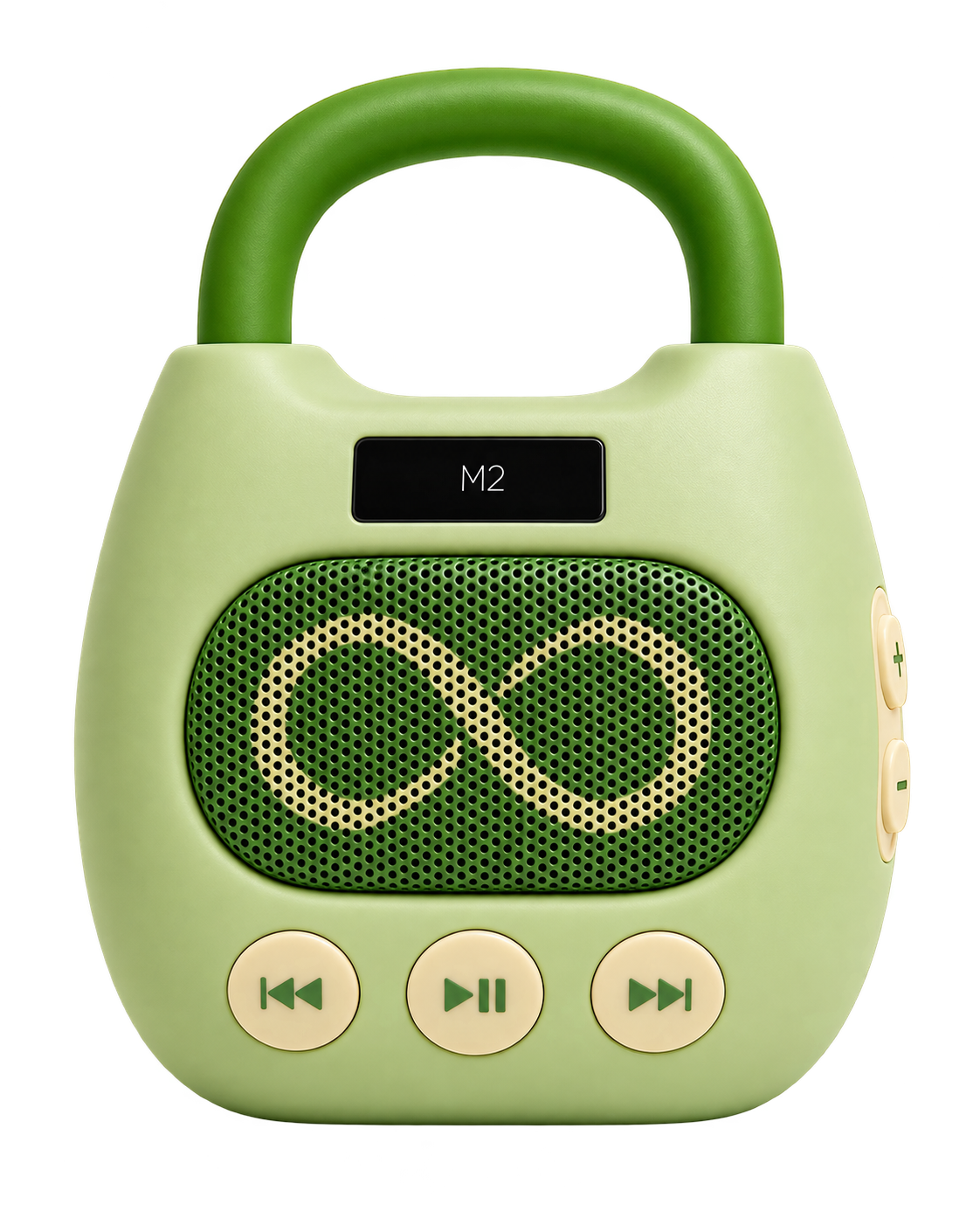
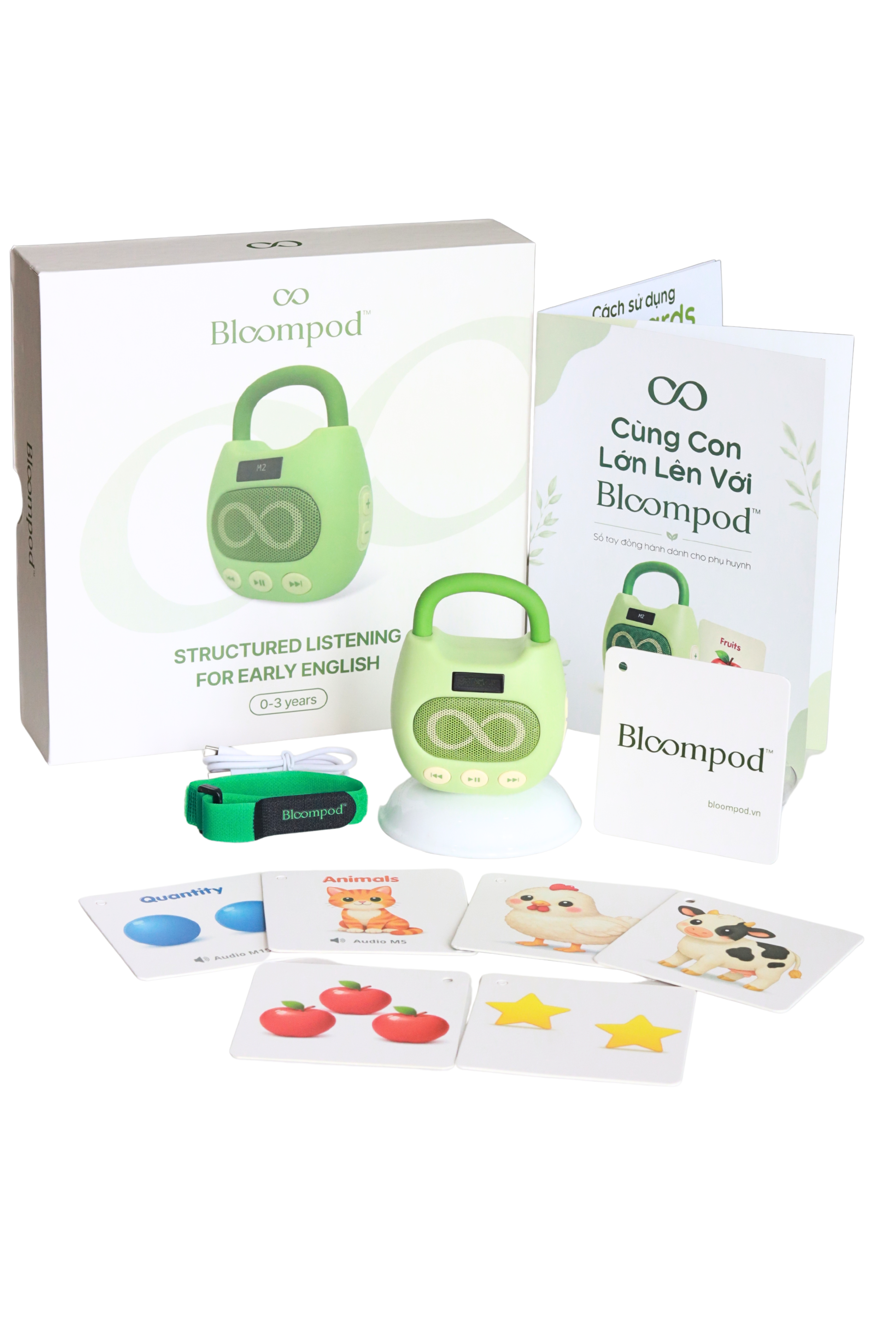
Bloompod in the home environment — part of everyday life.


Bloompod is based on well-established principles of early language development.
Sensitivity to the sounds and structures of speech.
The brain’s flexible ability to form and reorganize connections.

CThe brain’s ability to notice repetition and sound structures.
This is not a temporary method.
It is a structured application of what science already
understands.
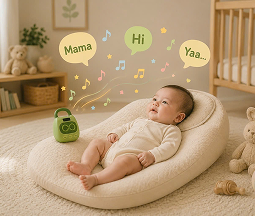
Become familiar with the sounds, rhythm, and melody of the English language.
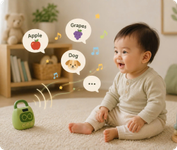
Explore familiar words that children encounter in everyday life.
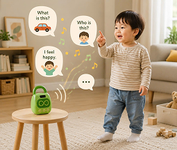
Become familiar with simple expressions and everyday conversations.
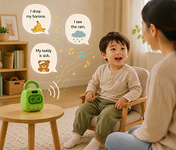
Experience English through warm, engaging stories that spark imagination and emotional connection.
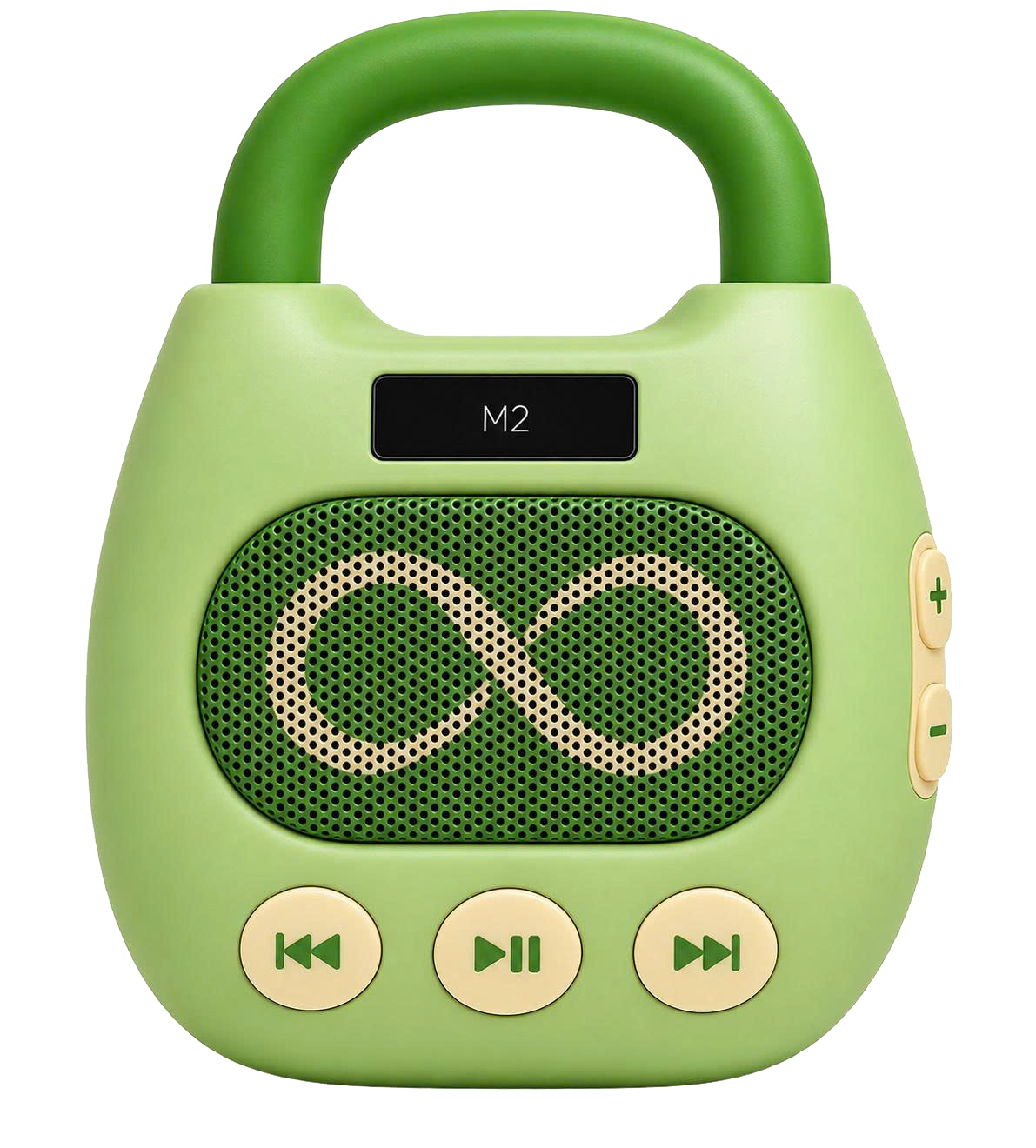


Language is acquired most naturally when children are given the opportunity to listen, revisit, explore, and connect—through joyful experiences, every day.

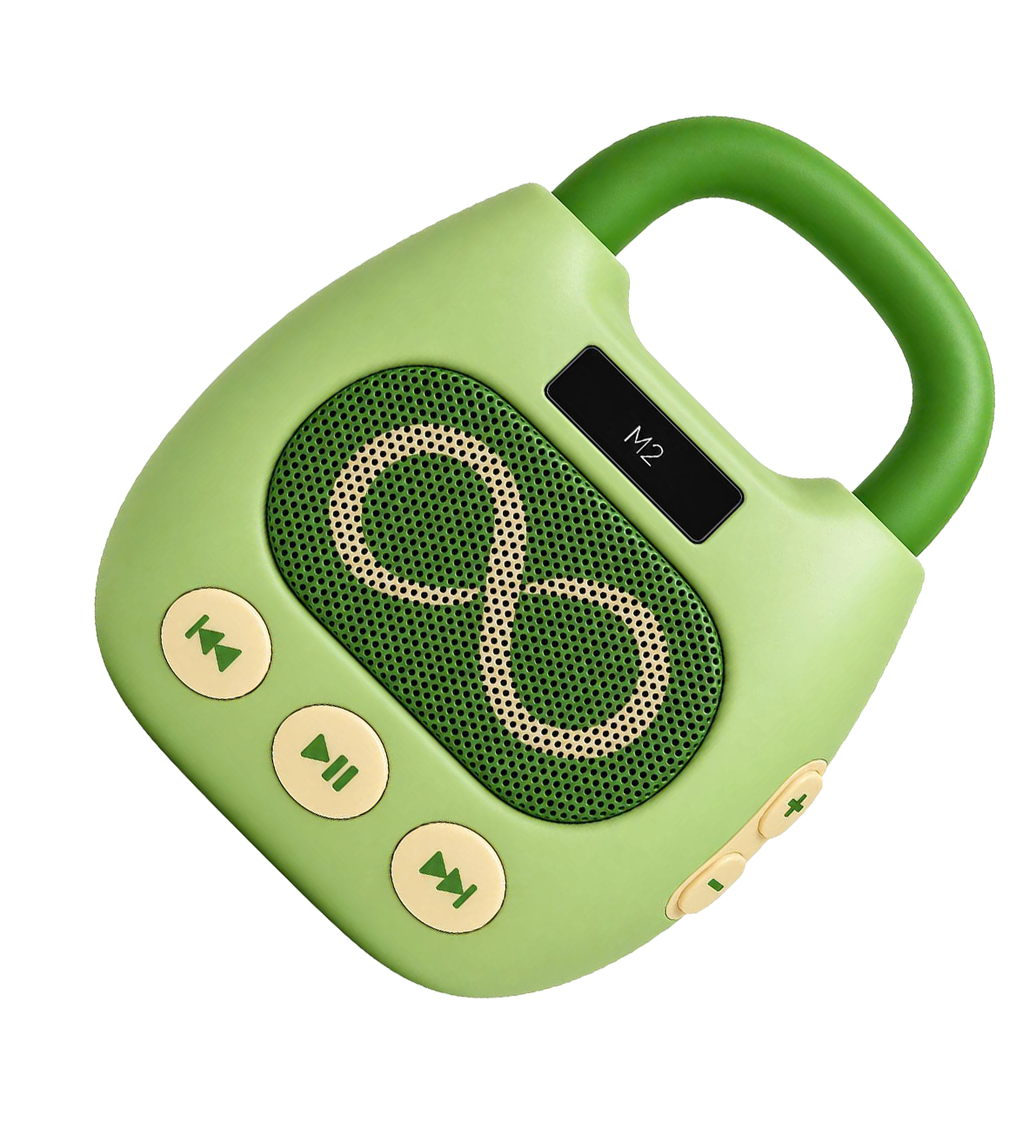


The
Language Readiness
helps parents understand the pre-speech stage — when the brain develops
familiarity with a language system before speech appears.
The book explains
principles such as phonemic sensitivity, neural plasticity, and early pattern
learning in an accessible yet developmentally grounded way.
It does not aim
to make children speak early.
It does not create pressure for
performance.
It simply helps parents understand the brain’s quiet preparation
for language.


During this period, the brain is most flexible. Familiarity is formed more easily.
Connections form easily

The ability to develop naturally gradually decreases over time.
When a foundation exists, learning later becomes more natural.
When the foundation is
missing, learning can still happen — but it often requires more effort.



 Free nationwide shipping
 7-day return policy

"At first I thought my child wouldn’t pay attention.
But over time, he became comfortable hearing English."
— Mother of a 28-month-old
"What I like is that Bloompod doesn’t require me to teach my child.
CI just turn it on, set it down, and everything happens naturally."
— Mother of an 18-month-old
"I used to play many English videos.
But Bloompod feels much more stable and structured."
— Mother of a 2-year-old

No.
Language Readiness does not depend on long listening time, but on
structured repetition.
Short, consistent listening sessions are usually more
effective than leaving audio playing continuously in the background.
This stage is not meant to produce immediate visible results.
Familiarity
develops at the neural level before speech appears.
The difference lies in structure.
Bloompod is designed with stable repetition
cycles and developmental sequencing — not random exposure.